

Pest Control for Landscape Suppliers in Logan & Scenic Rim
Pest management and fire ant compliance support for soil, gravel, mulch, plant and outdoor supply businesses across Logan and Scenic Rim suburbs. Book a pest inspection for your landscaping yard.
Send A Contact Request OR Contact us Direct on: 0400 077 076
We help you reduce your pest risks and meet fire ant obligations.
Landscaping yards handle the exact materials pests love. Soil, mulch, timber, plants, pallets, sheds, storage bays, machinery and busy customer areas all create constant pest pressure, because material moves in and out of the site every day.
At TC's Pest & Termite Management, we help landscaping supply yards reduce pest risk, protect staff and customers, meet fire ant obligations and keep sites cleaner and easier to manage. Whether you run a small landscape supply yard or a busy outdoor materials depot, our licensed local team can assess your site and recommend a practical pest management plan.
Fire Ants: Your Stock Is a Regulated Material
For most businesses, fire ants are a safety problem. For landscaping yards, they are also a legal one.
Logan sits within the fire ant biosecurity zones, and the materials your yard sells every day, including soil, mulch, compost, turf, potted plants, sand and gravel, are classified as fire ant carriers.
Under
Queensland's Biosecurity Act 2014,
every business that deals with these materials has a General Biosecurity Obligation to manage fire ant risk. That obligation covers risks under your control, risks you know about, and risks you are expected to know about.
In practical terms, the National Fire Ant Eradication Program expects yards handling carrier materials to:
- Check materials for fire ants before they leave the site. This is a legal requirement, not best practice.
- Regularly inspect storage areas, stockpiles and the wider property for nests.
- Follow the movement controls that apply to each material, including when buying and selling.
- Clean machinery and equipment before moving it off site.
- Treat any fire ants found, and report suspected nests to the program.
- Keep records that show you are managing the risk year round.
Biosecurity compliance officers can audit yards at any time, often unannounced. They will check material storage, what treatments you use, and what surveillance records you can show them. Failing to comply with carrier movement and storage rules can attract penalties of more than $5,800 per offence for corporations, based on the penalty unit value current at 1 July 2025, and biosecurity orders can follow for ongoing non-compliance.
Our team includes Fire Ant Accredited Technicians. We can help you set up a practical inspection, treatment and record-keeping routine that fits the way your yard actually operates, so an audit is a formality rather than a problem.
Where Pest Problems Start in a Landscaping Yard
General yard maintenance reduces the pest pressure in a supply yard and in the conditions that attract pests in the first place.
The areas we see issues develop most often are:
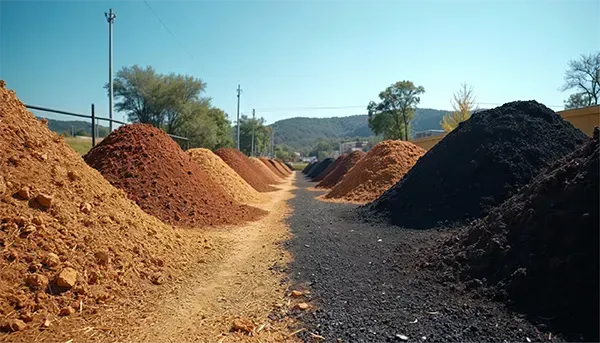
Soil, mulch, sand and gravel stockpiles, especially recently disturbed or long-undisturbed piles

Potted plant and garden display areas
Learn more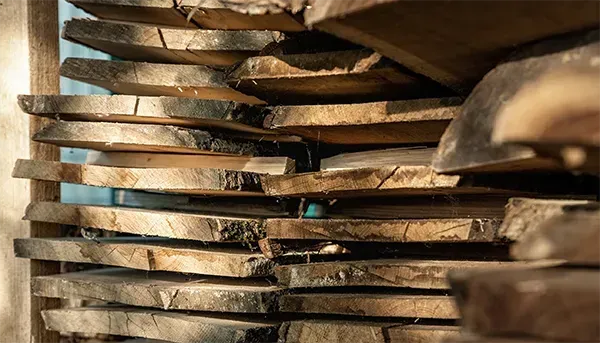
Timber edging, sleepers, retaining materials and pallet stacks
Learn more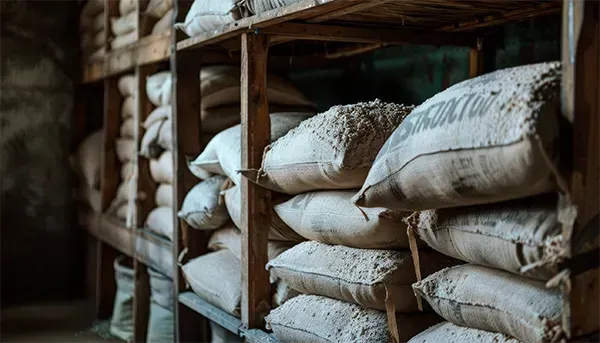
Storage sheds, site offices, staff kitchens and amenities
Learn more
Bins, waste storage and machinery parking

Fence lines, gates, loading zones and customer pick-up areas
Learn more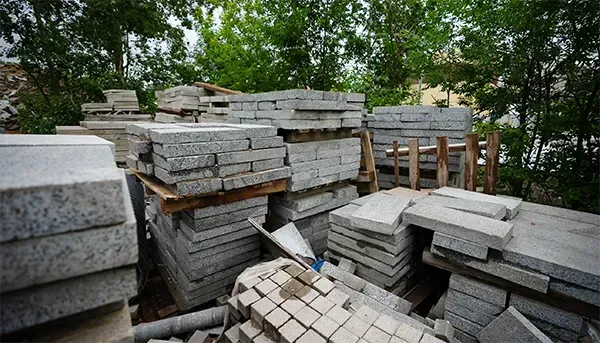
Drainage lines and damp, shaded corners
Learn moreLeft unchecked, pest activity leads to customer complaints, staff safety concerns, damaged stock and contamination risk.
For a yard, it can also mean shipping a pest problem to a customer's property along with their order.
Regular maintenance and pest inspections will reduce the risks of pest issues.
Common Pest Problems in Landscaping Supply Yards
Landscape supply yards that stock animal feed, seed, fertiliser or packaged garden products carry extra rodent and insect pressure.
Damaged packaging, slow-moving stock and unchecked storage corners are standing invitations, so these areas need regular rotation and inspection.
Rodents
Rodents thrive wherever there is shelter, stored material, water and low-disturbance corners, which describes most supply yards. We commonly find nesting around pallet stacks, bulk bags, retaining wall stock, sheds, bins and office wall cavities. Beyond the hygiene concerns, rodents chew wiring, contaminate stock areas and are the fastest way to lose customer confidence at the sales counter.
Ants
With soil, organic material and disturbed ground constantly on site, ant activity is close to inevitable. The question is whether it is managed before it reaches display zones, customer walkways, loading areas and staff facilities. Any unusual ant activity in a Logan or Scenic Rim landscape supplies yard also needs to be checked against the possibility of fire ants, which is covered above.
German Cockroaches
German cockroaches tend to appear in the sheltered parts of the site: offices, staff kitchens, lunchrooms and storage rooms. For yards with a retail counter, visible cockroach activity damages reputation quickly. A targeted treatment and monitoring plan keeps the indoor areas clean and reduces the risk of re-infestation.
Termites
Yards that store sleepers, garden edging, timber retaining materials, pallets and cardboard packaging are storing termite food. That does not mean every yard has a termite problem, but it does mean regular termite inspections are worth taking seriously, particularly around site offices, timber stock, damp storage areas, sheds, trees and old stumps or buried timber on the boundary. We provide commercial termite inspections and timber inspections across Logan and Scenic Rim.
Not sure what you are dealing with?
Book a pest inspection and we will walk the site with you, map the risk areas and give you a straight answer on what needs treating and what just needs watching.
We service landscaping suppliers across Logan and Scenic Rim suburbs including Greenbank, Park Ridge, Beaudesert and Jimboomba.
Why Logan and Scenic Rim Landscaping Suppliers Choose TC's Pest & Termite Management
- Local, and Actually Local
We are based in Greenbank and service Logan, Park Ridge, Beaudesert, Flagstone, Jimboomba, Yarrabilba, Logan Village and surrounding areas. That matters for yards because pest pressure here shifts with weather, soil disturbance and the mix of residential, acreage and commercial land use across Logan. We know what shows up after heavy rain, after slashing season and after big material movements, because we treat it every week.
- Licensed, Insured and Accountable
Commercial operators need pest control handled properly and documented. Our technicians are licensed and insured, we hold QBCC licensing for termite work, and our individual pest licence numbers are published on every page of this website. No subcontractors. The people who quote your yard are the people who treat it.
- Fire Ant Accredited
Our team includes Fire Ant Accredited Technicians, which is directly relevant to any business handling soil, mulch and plants in South East Queensland.
- Family Owned, 30 Years Local
TC's is a family-owned business with 30+ years of experience serving the Brisbane, Logan and Scenic Rim communities. We treat working sites the way we treat our own: clear communication, safe procedures, discreet servicing and advice you can act on.
EXPERIENCED
30+
Years of experience in serving the Brisbane, Logan & Scenic Rim communities.
FAMILY OWNED
100%
Personal service from our family to yours, with the same care, respect and attention we would expect in our own home.
LICENSED & ACCREDITED
10
QLD Health, QBCC, Termite & Fire Ant Accredited & Termatrac iTracker PRO Certified.
How TC's Pest & Termite Management Treat & Manage Pests for Commercial Yards

1. Site Assessment
We walk the yard the way pests experience it: stock movement, customer flow, moisture, harbourage and the quiet corners nothing disturbs. That covers material bays, plant areas, the office and counter, sheds, timber zones, waste areas, boundary fencing, drainage points and machinery parking. You get a clear picture of where the pressure is, not a generic checklist.

2. Targeted Treatment
Treatment follows the problem and the way each area is used. Rodent control may mean monitoring stations and exclusion advice. Ant problems may need targeted treatment around activity zones. Suspected fire ants require careful inspection, non-disturbance advice and the treatment pathways recognised under the eradication program, including direct nest treatment and baiting where appropriate.
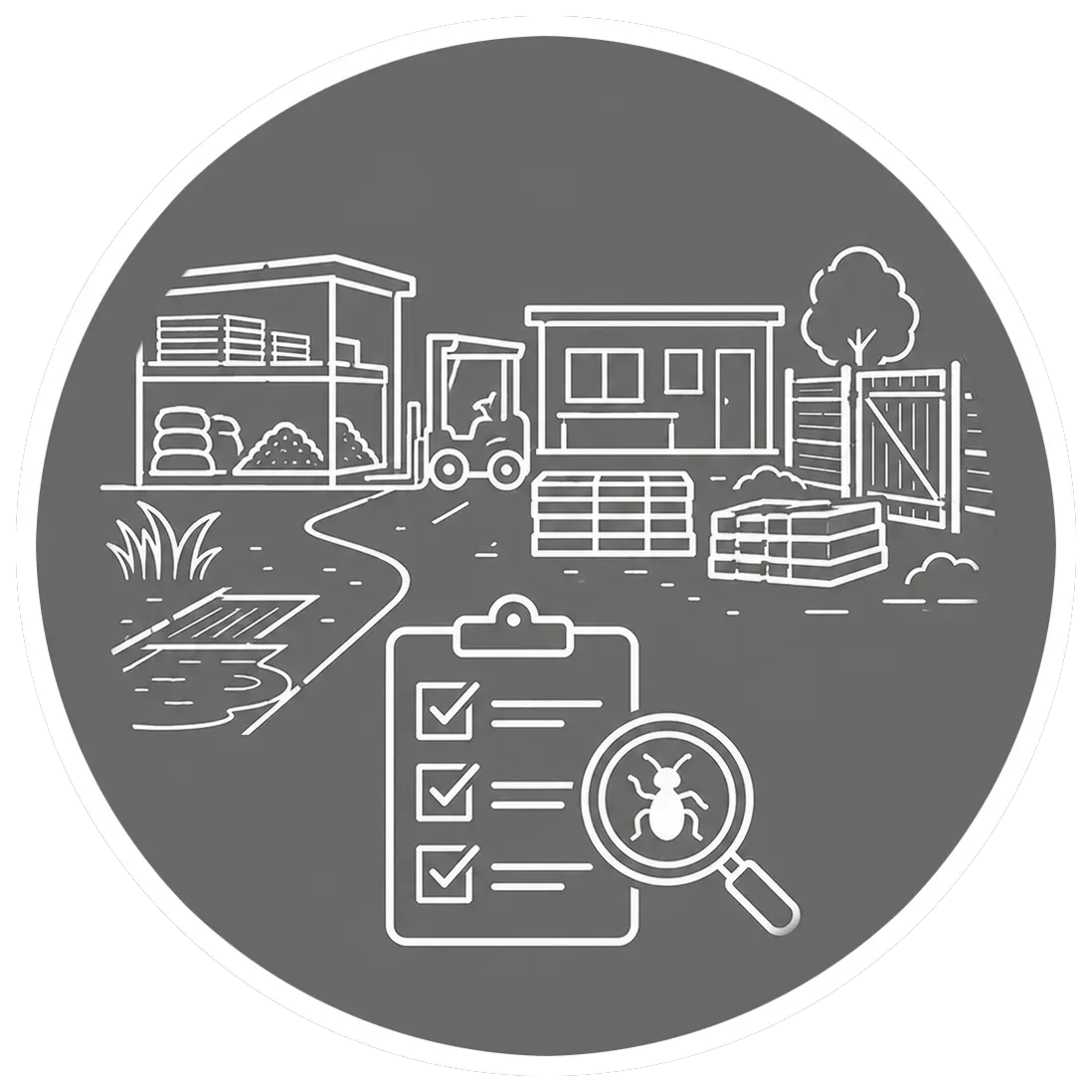
3. Prevention and Site Hygiene Advice
Most yard pest problems are made worse by moisture, clutter, overgrown edges and hidden nesting spots. We give your team practical steps they can act on: trimming vegetation along fence lines, reducing long-term pallet storage, improving bin placement, checking incoming stock, keeping timber off damp ground and rotating feed and packaged products.

4. Records You Can Hand to an Auditor
Commercial sites need documentation, and yards inside the fire ant biosecurity zones need it more than most. After each visit we provide service records covering what was inspected, what was treated, what was observed and what should be monitored. If a compliance officer asks for evidence of year-round surveillance and treatment, you have it on file rather than in someone's memory.

5. Scheduling Around Trade
Landcape suppliers run early starts, delivery windows and busy weekend trade. Pest management should work around operations, not interrupt them. We work weekdays and weekends, so servicing can be planned for the quieter parts of your week.
Book Pest Control for Your Landscaping Yard
If your yard is dealing with rodents, ants, cockroaches, termites or suspected fire ants, or you want your fire ant compliance routine sorted before an audit sorts it for you, we can help. We service landscaping yards, outdoor supply businesses, trade yards and commercial properties across Logan to Beaudesert and surrounding areas.
Landscaping Suppliers Pest Control FAQs
Are landscaping yards legally required to manage fire ants?
Yes, if the yard is in Queensland and deals with materials that can carry fire ants, such as soil, mulch, compost, turf, potted plants, sand and gravel. The General Biosecurity Obligation under the Biosecurity Act 2014 requires businesses to manage fire ant risks they control, know about or are expected to know about, including checking materials before moving them off site.
What happens during a fire ant compliance audit?
Compliance officers can visit at any time and do not always give notice. They typically ask how you produce and disturb your materials, how you store them, what treatments you use and what surveillance records you keep, and they may photograph the worksite and copy your records. Yards with a documented inspection and treatment routine generally have little to worry about.
What should staff do if they find a suspected fire ant nest?
Keep everyone away from the nest, do not disturb it, and stop moving material from that area until it has been checked. Report the suspected nest to the National Fire Ant Eradication Program, then arrange professional advice on treatment.
What pests are most common in landscaping supply yards?
Rodents, ants, cockroaches and termites are the most common, with fire ants a specific concern across parts of South East Queensland including Logan. Yards stocking animal feed or packaged garden products can also see stored product pests.
How often should a yard schedule pest control?
Most yards do better with scheduled inspections than with waiting for a visible problem. The right frequency depends on site size, stock movement, pest history, moisture and whether the yard handles soil, mulch, timber or plants. We will recommend a cycle after the first site assessment rather than guessing beforehand.
Can servicing be done outside trading hours?
Usually, yes. We operate weekdays and weekends, so servicing can be planned around early starts, delivery windows and busy trade periods.
Are treatments safe around staff, customers and stock?
We use family and pet-safe pest control solutions that effectively eliminate pests while minimising harm. Our treatments are tailored to your specific pest issues, ensuring long-lasting protection for your property.
Do you provide records we can show a compliance officer?
Yes. Service records, treatment notes and monitoring recommendations are part of our work. For yards inside the fire ant biosecurity zones, these records double as evidence of the year-round surveillance and treatment that the General Biosecurity Obligation guideline expects.
Should landscaping yards have termite inspections?
It is worth considering wherever there are site offices, timber products, pallets, sleepers, retaining materials, damp storage areas or older timber structures. Storing termite food and assuming termites will not find it is an expensive bet.




